
Why Uninsured Mandeville Drivers Now Face a $100,000 Hurdle
Key Takeaways: Louisiana’s "No Pay, No Play" law, La. R.S. 32:866, bars uninsured drivers from recovering the first $100,000 in bodily injury damages and the first $100,000 in property damage, even when the other driver caused the crash. House Bill 434, enacted as Act 16 of 2025 and effective August 1, 2025, raised those thresholds from $15,000 and $25,000 respectively. Damages above the threshold may still be recoverable, and key exceptions apply when the at-fault driver was convicted of or pleaded nolo contendere to DWI, acted intentionally, fled the scene, or was committing a felony. Passengers generally keep their claims unless they own the uninsured vehicle, and legally parked vehicles fall outside the statute. Uninsured owners awarded $100,000 or less can be held liable for all parties’ court costs. Louisiana’s filing deadline is generally two years for injuries occurring on or after July 1, 2024, and one year for earlier accidents.
Louisiana’s "No Pay, No Play" law bars a driver operating without required liability insurance from recovering the first $100,000 in bodily injury damages and the first $100,000 in property damage after a crash. Under La. R.S. 32:866(A)(1), as amended in 2025, there is "no recovery for the first one hundred thousand dollars of bodily injury and no recovery for the first one hundred thousand dollars of property damage" for an owner or operator who fails to maintain compulsory motor vehicle liability security. For Mandeville drivers, an uninsured motorist injured by someone else’s negligence may still have a claim for damages exceeding those thresholds, subject to important exceptions discussed below.
If you were hurt in a St. Tammany Parish crash and are unsure how this rule affects your claim, the team at Smiley Law Firm is ready to help. Call (504) 822-2222 or schedule a free consultation to discuss your case.
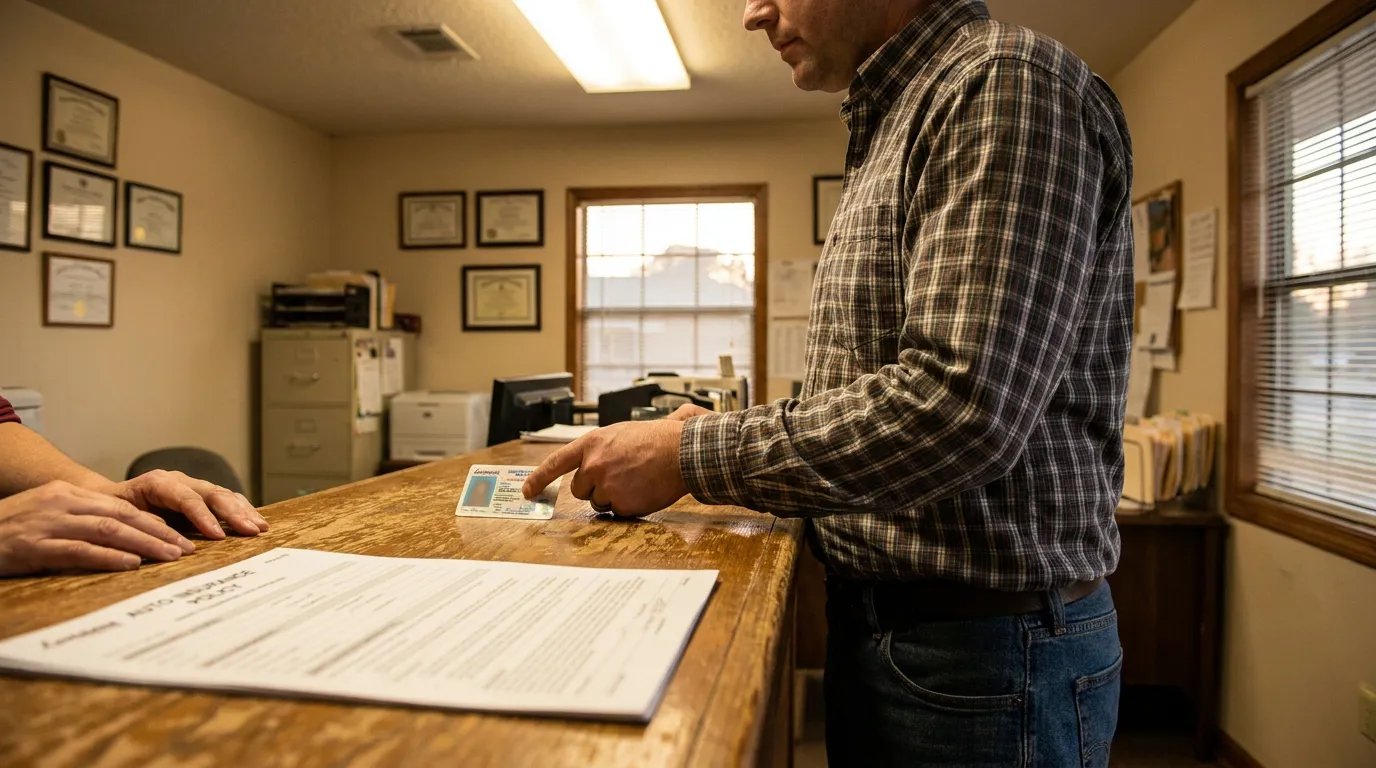
What Does No Pay, No Play Louisiana Actually Require?
The statute conditions your right to full recovery on carrying required insurance. La. R.S. 32:866 applies to the owner or operator of a vehicle who fails to maintain compulsory liability security at the time of the accident. The bar attaches to the first dollars of damages, not the entire claim, so a seriously injured motorist may still pursue amounts above the statutory threshold. Obtaining coverage after the crash generally does not cure the problem, because La. R.S. 32:866(G) restricts the effect of policies issued or changed after an accident.
The statute’s reach is broader than many realize. Under La. R.S. 32:866(D), anyone who applies for a driver’s license, registers a vehicle, or owns or operates a vehicle in Louisiana is deemed to have consented to the statute’s provisions. That deemed-consent language applies to daily commuters crossing the Causeway just as it applies to lifelong Mandeville residents.
The limitation can be raised defensively. Under La. R.S. 32:866(B), a person found liable to the owner or operator of an uninsured vehicle may assert the limitation as an affirmative defense. Because it must be pleaded and proved, the at-fault driver’s insurer will often raise the issue early, which is why injured people benefit from having counsel evaluate coverage questions before making recorded statements.
How Did the 2025 Changes Raise the Stakes?
The 2025 legislative session dramatically increased what an uninsured driver forfeits. House Bill 434 raised the recovery threshold from $15,000 to $100,000 for bodily injury and from $25,000 to $100,000 for property damage. Uninsured drivers generally cannot recover the first $100,000 in damages in each category, regardless of fault, unless a statutory exception applies. The higher thresholds apply to accidents occurring on or after August 1, 2025; earlier crashes remain governed by the prior figures.
That change came as part of broader reforms. The 2025 insurance reforms signed by Governor Jeff Landry were described by supporters as raising the stakes for uninsured drivers while addressing root causes of rising insurance costs; critics dispute that the changes will lower premiums. The statute traces to Acts 1997, No. 1476, and was most recently amended by Acts 2025, No. 16, § 1.
| Damage Category | Prior Threshold | Current Threshold |
|---|---|---|
| Bodily injury | $15,000 | $100,000 |
| Property damage | $25,000 | $100,000 |
Why Did Louisiana Enact This Uninsured Driver Penalty?
Lawmakers framed the statute as a response to high auto insurance costs. Louisiana auto insurance rates have consistently ranked among the highest in the United States, with the state ranking eighth nationally in 1997 for average expenditure per vehicle.
The policy rationale centers on cost allocation. The reasoning is that drivers who obey compulsory insurance laws should not subsidize those who do not. Roughly a dozen states have adopted similar approaches, though many limit uninsured drivers to economic losses by barring noneconomic damages; the specific design varies by state.
Louisiana’s version differs from models used elsewhere. Rather than carving out only pain and suffering, La. R.S. 32:866 applies a flat dollar bar to both bodily injury and property damage recovery. A Mandeville driver with a moderate soft-tissue injury may find the entire claim absorbed by the threshold, while a catastrophic injury claim may still proceed above it. Louisiana courts have upheld the statute against constitutional challenges.
Who Is Protected Despite the Bar?
Not every occupant of an uninsured vehicle loses recovery rights. The statute contains meaningful carve-outs that frequently determine whether a claim survives.
Which Exceptions Remove the $100,000 Bar?
Under La. R.S. 32:866(A)(3)(a), the limitation generally does not apply when the at-fault driver:
- Was cited and convicted of, or pleaded nolo contendere to, driving while intoxicated under La. R.S. 14:98
- Intentionally caused the accident
- Fled the scene of the accident
- Was acting in furtherance of the commission of a felony offense at the time of the crash
Whether an exception applies is fact-dependent and often turns on the outcome of a criminal proceeding, which is separate from your civil lawsuit. A mere arrest or citation without a conviction or nolo plea generally will not satisfy the DWI exception.
Do Passengers Lose Their Claims Too?
No. Passengers generally retain their right to pursue damages even when riding in an uninsured vehicle. La. R.S. 32:866(E) preserves passenger claims, except for a passenger who owns the uninsured vehicle. Louisiana’s comparative fault rules also allow a partially at-fault injured party to recover a reduced amount, though the legislature revised those rules in 2025, so the applicable standard depends on the accident date.
What About Parked Vehicles?
A legally parked vehicle is outside the statute’s reach. La. R.S. 32:866(H) provides that the section’s provisions "shall not apply to any vehicle which is legally parked at the time of the accident." If your car was lawfully parked along a Mandeville street when struck, the recovery bar generally should not apply, though whether the parking was legal can be disputed.
What Are the Financial Risks of Filing Anyway?
Filing without insurance coverage carries cost exposure beyond the recovery bar. Under La. R.S. 32:866(C), as amended, an uninsured owner who institutes an action and is awarded an amount equal to or less than $100,000 shall be assessed and held liable for all court costs incurred by all parties to the action.
This is why early case evaluation matters. An attorney reviewing a uninsured motorist coverage legal guide scenario will examine policy status on the date of loss, lapse notices, grace periods, permissive-use questions, and whether a resident relative’s policy might supply coverage.
💡 Pro Tip: Request a certified copy of your policy declarations page and any cancellation or lapse notice from your insurer in writing. Coverage disputes often hinge on whether the carrier properly effected cancellation before the crash date.
How Should Mandeville Drivers Protect a Claim?
Move quickly, because Louisiana’s filing deadline is among the shortest in the country. For injuries occurring on or after July 1, 2024, personal injury claims generally must be filed within two years of the accident; for earlier accidents, the prior one-year period applies. Limited circumstances can suspend that period, but courts apply those doctrines narrowly. Waiting to see how the insurance question resolves can quietly cost you the claim entirely.
Preserve evidence from the beginning. Photograph the scene and vehicle damage, obtain the crash report, seek prompt medical evaluation, and keep every bill and record. In serious cases involving traumatic brain injury, spinal cord damage, or a commercial truck, early scene investigation and preservation letters can be decisive.
💡 Pro Tip: If a commercial vehicle was involved, federal FMCSA regulations may create additional avenues of liability alongside Louisiana law, and electronic logging data can be overwritten within months.
Frequently Asked Questions
1. Does No Pay, No Play apply if the other driver caused the crash?
Yes. The statutory bar generally applies regardless of fault. An uninsured Mandeville driver who was completely blameless may still forfeit the first $100,000 in bodily injury damages, unless a statutory exception applies or the defendant fails to plead the limitation as an affirmative defense.
2. Can I still recover if my damages exceed $100,000?
Potentially. The statute bars the first $100,000 in each category rather than eliminating the claim outright, so damages above that amount may remain recoverable. Whether your damages exceed the threshold requires medical and economic proof.
3. My passenger was hurt in my uninsured car. Can they sue?
Generally yes. La. R.S. 32:866(E) preserves passenger claims, except for a passenger who owns the uninsured vehicle. Their claim proceeds under ordinary negligence principles of duty, breach, causation, and damages.
4. What if the at-fault driver was drunk?
The recovery limitation generally does not apply when the at-fault driver was cited and convicted of, or pleaded nolo contendere to, DWI under La. R.S. 14:98. Because this depends on the criminal case outcome, timing and coordination with the civil claim matter.
5. How long do I have to file a car accident claim in Mandeville?
Louisiana generally allows two years from the accident date for injuries occurring on or after July 1, 2024, and one year for accidents before that date. Consult an attorney promptly, since exceptions to these deadlines are narrow and fact-specific.
Where This Leaves Injured North Shore Drivers
Louisiana’s No Pay, No Play statute is a serious obstacle, but not always the end of a case. The full text of La. R.S. 32:866 contains exceptions for drunk driving, intentional acts, fleeing the scene, and felony conduct, along with protections for passengers and legally parked vehicles. Whether any apply to your situation depends on the facts, the coverage record, the crash date, and the evidence you preserve.
Reach out to our Louisiana personal injury attorneys to have your case reviewed before deadlines close. Call (504) 822-2222, request a free case review, or learn more about how our team serves clients as a trusted mandeville car accident lawyer across the North Shore, New Orleans metro, Metairie, and Baton Rouge.