Passenger Injury Claims and Louisiana’s Uninsured Motorist Penalty
Key Takeaways: Louisiana’s No Pay, No Play law (La. R.S. 32:866) penalizes uninsured owners and operators, not passengers. If you were hurt as a passenger in a New Orleans car crash, the law generally does not block your claim. Subsection (E) preserves a passenger’s right to recover damages caused by another person’s negligence, with one exception for passengers who also own the uninsured vehicle. The penalty bars uninsured drivers from recovering the first $100,000 in bodily injury and property damages for accidents on or after August 1, 2025, but must be raised as an affirmative defense and cannot be cured by buying coverage after the crash. Statutory exceptions exist where the other driver is cited and convicted of DWI, intentionally caused the crash, fled the scene, was committing a felony, or when the other vehicle was lawfully parked. Passengers may pursue the at-fault driver, that driver’s insurer, and their own or a resident relative’s UM coverage. Because Louisiana’s filing deadline for most crashes is now two years (one year for accidents before July 1, 2024) and medical documentation is critical, acting quickly protects the claim.
If you were hurt as a passenger in a New Orleans car crash, Louisiana’s No Pay, No Play law generally does not block your injury claim. The statute, La. R.S. 32:866, limits recovery for the uninsured owner or operator, not passengers. Subsection (E) states that passengers may recover damages for injury, death, or loss caused by another person’s negligence. One important exception: this protection does not apply to a passenger who also owns the uninsured vehicle involved.
If you are a passenger facing pushback from an insurance company, you do not have to sort this out alone. The team at Smiley Law Firm helps injured passengers across the New Orleans metro understand where they stand under Louisiana’s auto insurance rules. Call (504) 822-2222 or reach out to our Louisiana personal injury attorneys to schedule a free consultation.
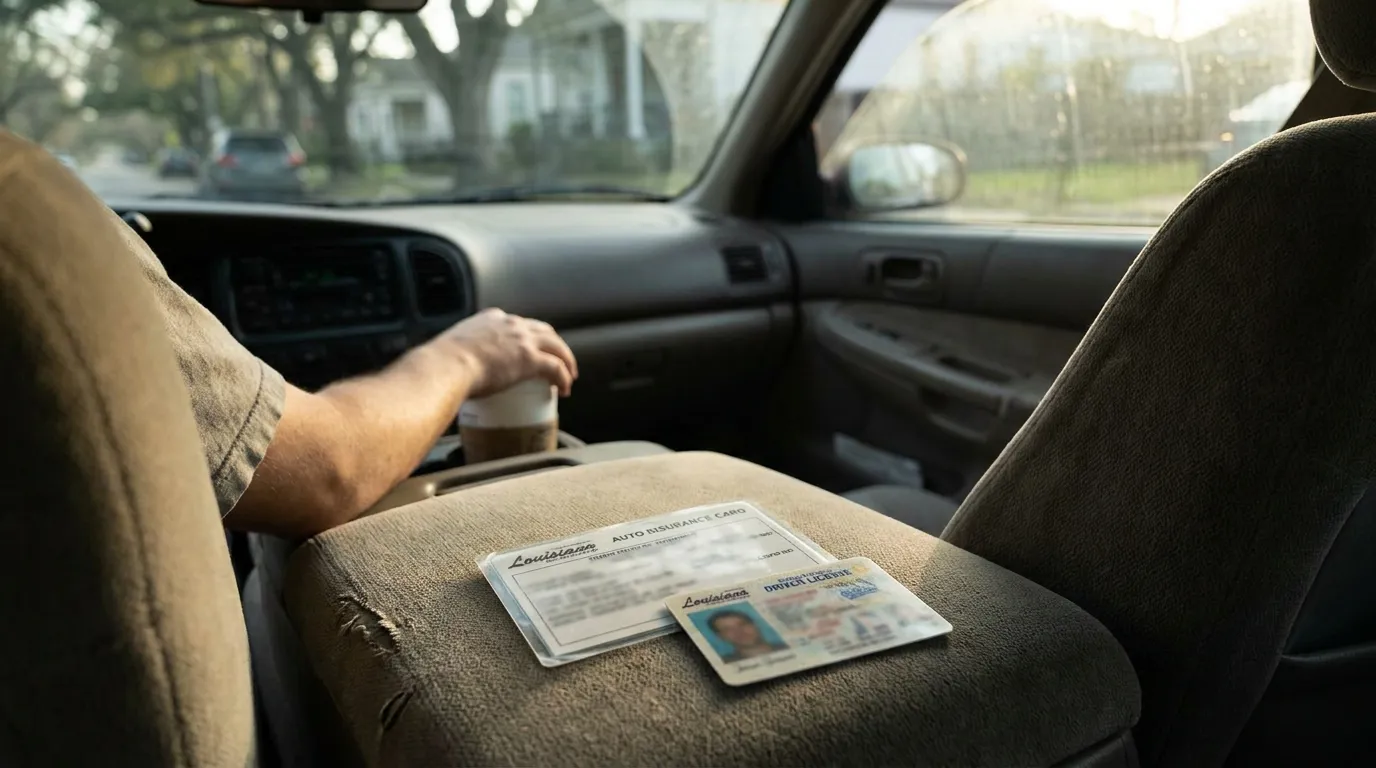
What Does No Pay, No Play Actually Do?
No Pay, No Play penalizes drivers who fail to carry compulsory liability coverage. Under La. R.S. 32:866(A)(1), an owner or operator without required coverage cannot recover the first $100,000 of bodily injury damages and $100,000 of property damage. Those thresholds were raised from $15,000 and $25,000 by the 2025 legislature (House Bill 434), effective August 1, 2025. Earlier thresholds still govern prior accidents.
Louisiana is not alone in this approach. According to the Insurance Information Institute, lawmakers in about a dozen states have passed no pay no play laws that restrict what uninsured drivers can recover, often barring noneconomic damages. Louisiana’s version applies a flat dollar deductible rather than eliminating one category entirely.
The rule does not apply automatically. Under La. R.S. 32:866(B), the person alleged to be liable must affirmatively assert the limitation. Under subsection (G), buying a policy after the crash will not undo the limitation. Coverage must have been in force at the time of collision.
Why Are Passengers Treated Differently Under La. R.S. 32:866?
Passengers are treated differently because they have no legal duty to insure someone else’s car. The statutory penalty attaches to the owner or operator responsible for maintaining compulsory security. A guest passenger, rideshare rider, or coworker did not choose whether that vehicle carried insurance.
This distinction matters when the vehicle you were riding in is uninsured. The passenger’s claim typically runs against the at-fault driver of the other vehicle, that driver’s insurer, and potentially the passenger’s own uninsured/underinsured motorist coverage. Passengers may also have UM coverage through a resident relative’s policy, a frequently overlooked compensation source.
Our readers on the North Shore ask similar questions. For a broader walkthrough of how these claims are built, our discussion of whether Mandeville passengers can file an injury claim covers the practical steps that apply statewide.
When Does the Passenger Exception Fail?
The exception fails when the passenger also owns the uninsured vehicle. La. R.S. 32:866(E) states that the passenger provision does not apply to a passenger who owns the uninsured motor vehicle involved. For example, if a New Orleans resident lets a cousin drive her uninsured car while she rides as passenger, the recovery limitation may still apply, subject to the statute’s other exceptions and to the defendant actually pleading the defense.
How Do Recent Reforms Change the Picture?
Louisiana’s 2025 civil justice reforms expanded the reach of this law. Business advocacy groups have described the reform package as expanding Louisiana’s No Pay No Play law while also moving Louisiana to modified comparative fault, under which a plaintiff more than fifty percent at fault is barred from recovery, and eliminating the Housley presumption of causation. The comparative fault change affects how fault allocation among multiple drivers impacts each insurer’s payment.
These reforms reflect years of debate over auto insurance affordability. Understanding that backdrop helps explain why insurers sometimes raise No Pay, No Play aggressively, even when it does not legally apply.
What Are the Main No Pay No Play Louisiana Exceptions?
The statute lists several situations where the recovery limitation does not apply. Even an uninsured owner or driver may avoid the penalty under La. R.S. 32:866(A)(3) in defined circumstances:
- The other driver is cited for, and subsequently convicted of, DWI under La. R.S. 14:98 in connection with the crash
- The other driver intentionally caused the collision
- The other driver flees the scene of the accident
- The other driver was engaged in the commission of a felony at the time
- The other vehicle was not being operated and was not parked in violation of the law, under La. R.S. 32:866(A)(3)(b)
| Who You Were in the Crash | Does the $100,000 Limitation Generally Apply? |
|---|---|
| Insured driver | No |
| Uninsured driver or owner | Yes, if raised as a defense and no exception applies |
| Passenger who owns no vehicle involved | No, under La. R.S. 32:866(E) |
| Passenger who owns the uninsured vehicle | Potentially yes |
💡 Pro Tip: Ask the investigating officer for the crash report number before you leave the scene. Insurance status listed on that report is often the first thing an adjuster uses to evaluate whether No Pay, No Play may be asserted.
How Should Passengers Protect a New Orleans Passenger Injury Claim?
Protecting a passenger claim starts with documentation and speed. Louisiana’s prescriptive period for most personal injury claims is two years from the date of the accident for crashes on or after July 1, 2024, and one year for earlier crashes. Courts interpret tolling arguments narrowly, so assuming an extension will be available is unwise. Missing the deadline can end an otherwise strong claim.
Medical documentation carries enormous weight. Get evaluated promptly, follow through with treatment, and keep every record connecting your injuries to the crash. Gaps in treatment are a common reason adjusters discount serious injuries, including traumatic brain injuries and spinal cord damage that may not fully present for days. Since the 2025 repeal of the Housley presumption, proof linking your injuries to the collision matters more than ever.
What If More Than One Driver Was at Fault?
Passengers often have claims against multiple drivers at once. In a multi-vehicle wreck, fault may be divided among two or more operators. Because a passenger is rarely assigned fault, a passenger’s claim can frequently proceed against each responsible driver’s policy, subject to policy limits. When commercial vehicles or rideshare drivers are involved, additional coverage layers may come into play.
Every case turns on its own facts. A knowledgeable new orleans car accident attorney can evaluate whether an insurer’s reliance on No Pay, No Play is legally supported in your situation.
Frequently Asked Questions
1. Can I recover if I was a passenger in an uninsured car in New Orleans?
Generally, yes. La. R.S. 32:866(E) provides that the statute does not preclude a passenger from claiming damages caused by another person’s negligence. The main exception applies when the passenger also owns the uninsured vehicle involved.
2. Does No Pay, No Play apply automatically to my claim?
No. Under La. R.S. 32:866(B), the party alleged to be liable must raise the limitation as an affirmative defense.
3. Can I buy insurance after the crash to avoid the penalty?
No. La. R.S. 32:866(G) bars post-accident policy changes from restoring recovery that the statute otherwise prohibits. Required coverage must have been in force at the time of the accident.
4. How long do I have to file a passenger injury claim in Louisiana?
Generally two years from the date of the crash for accidents on or after July 1, 2024, and one year for earlier accidents. Exceptions to these deadlines are construed narrowly by courts. Other deadlines may apply to claims against governmental entities or under specific policies. Speaking with an attorney early helps preserve evidence and protect the deadline.
5. What if I was riding in a rideshare vehicle?
Rideshare crashes often involve layered coverage. Depending on the driver’s app status, a commercial policy may apply in addition to personal coverage. Whether No Pay, No Play is relevant depends on who owned and insured each vehicle involved.
The Bottom Line for Injured Passengers in Louisiana
Louisiana’s No Pay, No Play law was written to penalize uninsured owners and operators, not passengers. The statutory text in La. R.S. 32:866(E) protects passenger claims directly, with a narrow exception for passengers who own the uninsured vehicle. Add in the statutory exceptions for DWI convictions, intentional acts, hit-and-run drivers, felony conduct, and lawfully parked vehicles, and the picture is more favorable to injured passengers than many insurers suggest. Because the 2025 amendments changed both the dollar thresholds and the fault framework, the date of your crash matters.
If an adjuster has told you that No Pay, No Play limits your passenger claim, get a second opinion before you sign anything. Contact Smiley Law Firm today to talk through your options with our Louisiana personal injury attorneys. Call (504) 822-2222 or request your free case review to discuss the facts specific to your situation.