
Knowing Your Next Move After a Wreck on the Metairie Streets
Key Takeaways: After a car accident in Metairie, drivers should stay calm and check for injuries, notify police, exchange information required under La. R.S. 32:398, document the scene, and seek prompt medical care before dealing with insurers. Because Metairie is unincorporated, crashes are reported to the Jefferson Parish Sheriff’s Office or Louisiana State Police, and reports must be provided within seven working days after investigation. Louisiana’s comparative fault system lets you recover damages if you are less than 51% at fault (for accidents on or after January 1, 2026), though recovery is reduced by your percentage of responsibility. A strong claim rests on preserved evidence, thorough medical documentation, and your official crash report. Timing is critical: for accidents on or after July 1, 2024, Louisiana applies a two-year prescriptive period for most injury claims under Civil Code article 3493.11, while accidents before that date remain subject to the former one-year deadline. Consulting a qualified Metairie car accident attorney can protect your rights, especially when liability is disputed or injuries are serious.
A car accident in Metairie calls for calm, quick action: check for injuries, call police, exchange information, document the scene, seek medical care, and speak with a qualified attorney before dealing with insurers. These steps protect both your health and legal rights under Louisiana law. Because Louisiana follows unique civil law rules and strict injury deadlines, what you do in the first hours and days can shape your entire claim.
If you or a loved one was hurt, the team at Smiley Law Firm, a trusted Metairie auto accident attorney group, is ready to listen. Call us anytime at (504) 822-2222 or request your free consultation online to learn how Louisiana law applies to your situation.
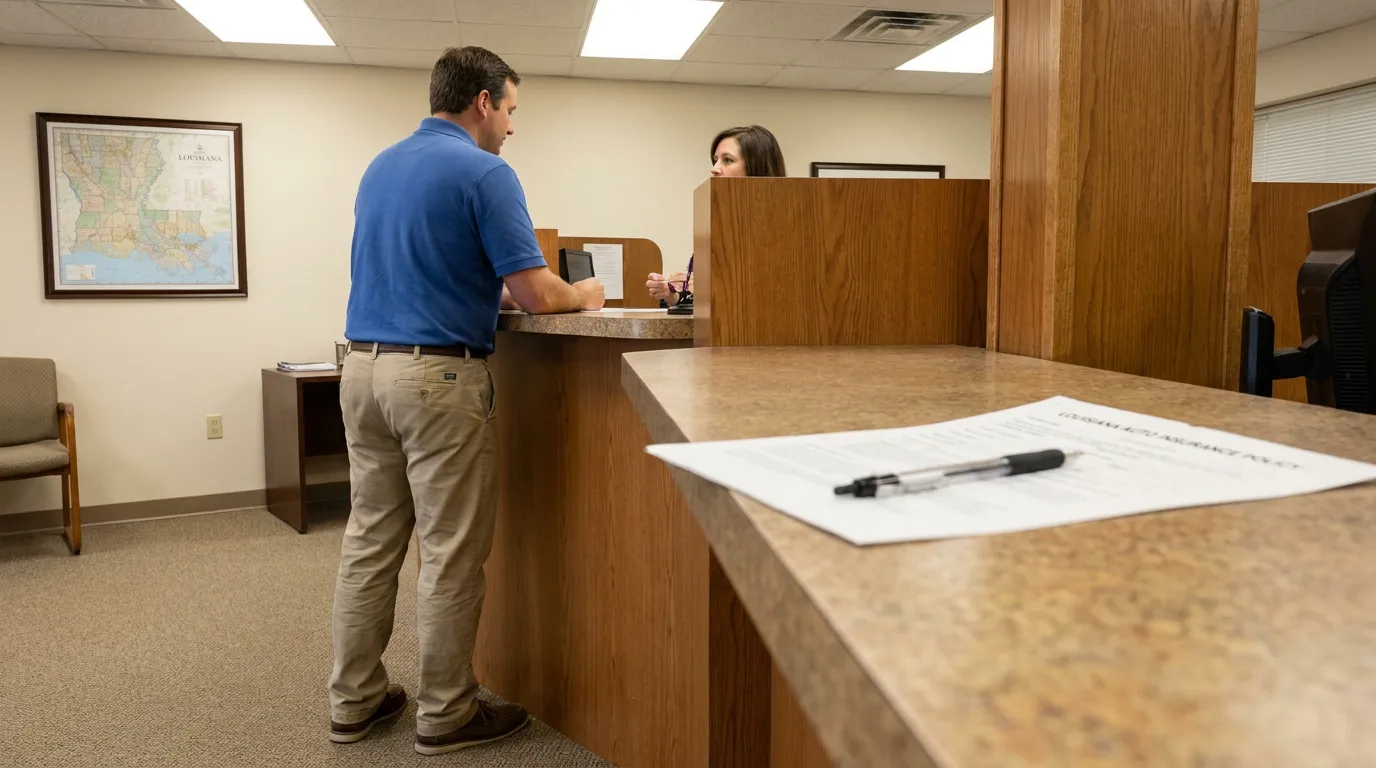
Immediate Steps to Take at the Scene of a Car Crash in Metairie Louisiana
Your safety and legal duties come first at any collision. Louisiana imposes specific obligations on drivers, and following them helps you stay compliant while preserving evidence.
- Check yourself and others for injuries, then move to safety if possible.
- Notify law enforcement so an official report is created.
- Exchange identifying and insurance details with the other driver.
- Photograph vehicle positions, damage, road conditions, and any visible injuries.
- Seek prompt medical evaluation, even if you feel "fine" at first.
Louisiana law requires more than a simple exchange of phone numbers. Under La. R.S. 32:398(A)(2), a driver must give their name, address, and vehicle registration number, and, upon request and if available, show a license or permit to any injured person or to the driver or occupant of another vehicle or property damaged in the crash.
💡 Pro Tip: Save your scene photos to a cloud account or email them to yourself immediately. Digital backups are hard to lose and can become powerful evidence in a Louisiana MVA claim.
What Information Must Drivers Exchange After a Collision?
Drivers must share details needed to identify each party and their insurer. La. R.S. 32:398(A)(3) requires a driver to provide information and, upon request, show their license or permit to any police officer at the scene or investigating the crash.
Officers do more than fill out paperwork. Under La. R.S. 32:398(B), the investigating officer must instruct each driver to report the name and address of the owner and driver, along with the liability carrier and the name, address, and telephone number of the insurance agent, to anyone who suffered injury or property damage. These details are the foundation of any future claim.
When Must You Notify Police After a Metairie Crash?
Louisiana requires immediate notice to law enforcement for serious crashes. Under La. R.S. 32:398(A)(1), a driver involved in a crash causing injury, death, or property damage over $500 must immediately notify the local police department if the crash happens inside an incorporated city or town, or the nearest sheriff’s office or state police station if outside one. Because Metairie is an unincorporated community in Jefferson Parish, drivers here typically report to the Jefferson Parish Sheriff’s Office or Louisiana State Police. You can review the full reporting duties in the Louisiana crash reporting law maintained by the state legislature.
Are There Special Rules During Evacuations or Emergencies?
Louisiana relaxes some timing requirements during declared emergencies. If a crash occurs in an area under an evacuation order or declared state of emergency, La. R.S. 32:398(A)(4) gives drivers 72 hours to comply with notice and information-exchange requirements. This reflects the realities of hurricane season along the Gulf Coast, though it is a narrow exception.
💡 Pro Tip: Even during an evacuation, gather names, photos, and insurance information at the scene if safe. Memories fade and vehicles move, so early documentation still matters.
How Louisiana’s Comparative Fault System Affects Your Recovery
Louisiana’s comparative fault system was recently reformed, and the rules that apply to your claim depend on when your accident occurred. For accidents occurring on or after January 1, 2026, Louisiana applies a modified comparative fault system under Civil Code article 2323: a driver found less than 51% at fault may recover damages, but recovery is reduced by their percentage of responsibility, while a driver found 51% or more at fault is completely barred from any recovery. For accidents occurring before January 1, 2026, the former pure comparative fault system applies, meaning a driver could recover damages regardless of their percentage of fault, with recovery reduced proportionally.
The modern rules trace back to careful reform. As discussed in scholarship on Louisiana’s comparative fault framework, the reform grew out of a legislative study committee created by House Concurrent Resolution No. 266. Louisiana enacted Act No. 431 (Senate Bill No. 794), amending Louisiana Civil Code articles 2103, 2323, and 2324 to provide for proportionate sharing of liability among joint tortfeasors. These provisions are especially important in multi-vehicle pileups and commercial trucking wrecks where several parties may share responsibility.
Fault allocation is fact-sensitive and often contested. Insurance adjusters may try to assign you a higher share of fault to lower a payout, which is why preserving evidence early is valuable. Courts consider police reports, witness statements, photographs, and physical evidence when apportioning responsibility.
Getting Your Crash Report and Building a Louisiana MVA Claim
Your official crash report is one of the most useful documents in your case. Under La. R.S. 32:398(I), crash reports are confidential but available to the parties, their attorneys, and their insurers, and must be provided upon request within seven working days after investigation is completed.
Agencies may charge modest fees for copies. La. R.S. 32:398(D)(1) caps what police may charge for reports, and the table below summarizes those statutory limits.
| Report Length | Maximum Statutory Fee |
|---|---|
| Two pages or fewer | Up to $5 |
| More than two pages | Up to $20 |
A strong Louisiana MVA claim rests on documentation and medical proof. Beyond the crash report, keep records of medical treatment, out-of-pocket costs, lost wages, and any lasting effects of your injuries. For serious harm such as traumatic brain injury, spinal cord damage, or catastrophic burns, thorough medical documentation helps connect the collision to your losses. If you are weighing whether to handle insurers yourself, this Louisiana car accident guide explains when full representation generally makes sense.
💡 Pro Tip: Follow through on every doctor’s appointment and follow-up. Gaps in treatment give insurers a reason to argue your injuries were minor or unrelated to the wreck.
Why Timing Matters: Louisiana’s Prescriptive Period
Louisiana enforces a strict prescriptive period for most injury claims, and recent reform changed how long you have. For accidents occurring on or after July 1, 2024, Louisiana Civil Code article 3493.11 provides a two-year prescriptive period for delictual (tort) actions, generally measured from the day the injury or damage is sustained. Accidents before July 1, 2024, remain subject to the former one-year deadline under the repealed article 3492.
Exceptions exist but are applied narrowly. Courts interpret tolling and discovery arguments cautiously, and they do not apply automatically. Certain claims, such as medical malpractice, follow their own separate rules and caps. You should never assume an extension applies. Because timing is unforgiving, acting quickly protects your options.
How a Car Accident Lawyer Metairie LA Can Help After a Wreck
A car accident lawyer Metairie LA residents rely on can manage the legal process while you focus on healing. An attorney can gather evidence, request your crash report, communicate with insurers, and evaluate how comparative fault may affect your recovery. This support is valuable when liability is disputed or an insurer offers a low settlement.
Experienced counsel is especially important in high-stakes cases. Commercial trucking collisions may involve federal FMCSA regulations in addition to Louisiana law, creating multiple avenues for liability, while catastrophic injury and wrongful death claims demand careful proof of long-term damages.
💡 Pro Tip: Ask any attorney you consult how they preserve electronic data, such as truck logs or vehicle event recorders. In serious motor vehicle accident Metairie cases, that evidence can disappear quickly.
Frequently Asked Questions
-
How long do I have to file a car accident claim in Louisiana?
For accidents occurring on or after July 1, 2024, Louisiana generally applies a two-year prescriptive period for personal injury claims; accidents before that date remain subject to the former one-year deadline. Exceptions are narrow and fact-specific, so speak with an attorney promptly. -
Can I still recover money if I was partly at fault for the crash?
It depends on when your accident occurred. For accidents on or after January 1, 2026, Louisiana’s modified comparative fault system under Civil Code article 2323 bars recovery if you are found 51% or more at fault; if your share of fault is less than 51%, you may recover damages reduced by your percentage of responsibility. For accidents before January 1, 2026, the former pure comparative fault system applies, allowing recovery regardless of fault percentage, with recovery reduced proportionally. -
How do I get my Metairie crash report?
Under La. R.S. 32:398(I), crash reports are available to parties, their attorneys, and insurers upon request, and must be provided within seven working days after investigation is completed. Agencies may charge a capped fee for copies. -
What information must I share at the scene of an accident?
La. R.S. 32:398(A)(2) requires you to give your name, address, and vehicle registration number, and to show your license upon request to injured persons or other involved drivers, along with providing information to investigating officers. -
Do I need a lawyer for a car accident in Jefferson Parish?
You are not required to hire one, but legal counsel can help when injuries are serious, liability is disputed, or an insurer undervalues your claim. A consultation can clarify your options.
Moving Forward With Confidence After a Metairie Accident
Knowing what to do after a car accident in Metairie helps you protect your health, your evidence, and your legal rights. Notify police, exchange information required under La. R.S. 32:398, seek medical care, request your crash report, and remember Louisiana’s prescriptive deadline, generally two years for accidents on or after July 1, 2024, and one year for those before. Because comparative fault rules and civil law rules shape every claim, thoughtful early action often makes a meaningful difference.
When you are ready, dependable help is close to home. Reach out to our Louisiana personal injury attorneys by calling (504) 822-2222, or schedule a free consultation with our team. You can also review this in-depth Louisiana car accident guide to understand your next steps and how full representation can support your recovery.